
The Swans Ritual
By Nawal Aziz
HOMEENTERTAINMENT
Edited by Charlotte W
11/26/20252 min read
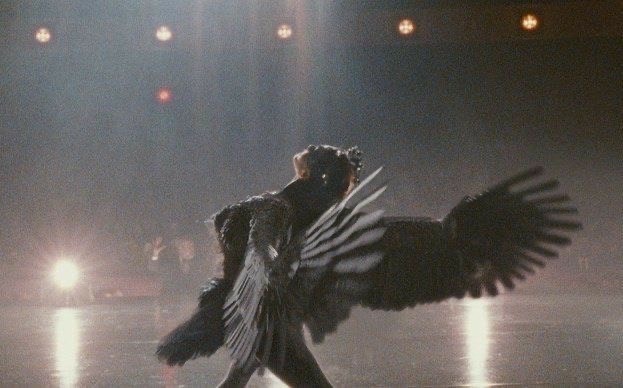
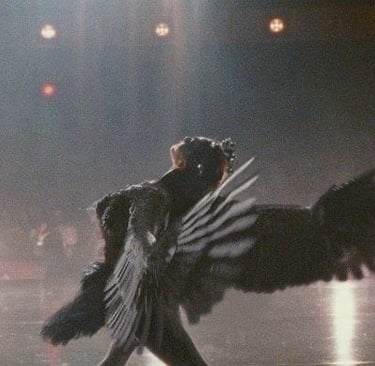
Feathers burst through skin, mirrors splinter, and a dancer vanishes into the role she was told to perfect. Black Swan is often read as a psychological thriller, but it also plays like a ritual—a midnight offering where art, obsession, and identity collide. Every rehearsal is a rite, every bruise a sacrifice, every costume a layer of armour. Nina’s transformation is not just about becoming the Black Swan; it is about surrendering to the dark power of embodiment itself.
Ballet in Black Swan is portrayed less as an art form and more as a kind of ritual. Nina’s days are consumed by repetition, her body pushed past exhaustion until it bleeds and bruises. These sacrifices are not incidental; they are the cost of devotion. Cracked toenails and strained muscles resemble offerings made to a higher power, proof that perfection demands pain. In this way, her training becomes a rite: each rehearsal another incantation, each movement a demand that her body give itself over completely.
Costume and make-up play a crucial role in Nina’s transformation, shaping how she embodies both the White Swan and the Black Swan. As the White Swan, she is dressed in fragility, pale and delicate, reflecting her innocence and repression. By contrast, the Black Swan costume cloaks her in darkness, accentuating themes of transformation, duality, and danger. The feathers, the red eyes, and the theatrical make-up consume her until the role overtakes the person. Here, style does not simply present a character to an audience; it builds a protective shell that allows Nina to channel a power she could never summon offstage.
What appears to be Nina’s unraveling is also the process of her becoming. The visions, fractured reflections, and sense of doubling mark a loss of control, but they also signal her initiation into something beyond herself. By the final performance, she has fully merged with the Black Swan—her body no longer restrained but liberated by darkness. This transformation is both terrifying and ecstatic, a sacrifice that costs her stability, and even her life. Yet in her eyes it is worth it, for through this ritual she achieves the perfection she was promised.
Nina’s surrender is deeply personal, but it also reflects the pressures women face to sacrifice for perfection—on stage, on screen, and in daily life. Her transformation demonstrates how performance, style, and identity can merge into something both beautiful and dangerous. In embracing the Black Swan fully, she performs a dark ritual that is at once terrifying and empowering. Black Swan reminds us that artistry can be a form of armour, a means of self-expression, and a path to transformation that comes at a cost.
For more, explore fashion, travel, and lifestyle insights here.
Subscribe to our newsletter!
info@femmine.co.uk