
Shifting Perspectives: How Global Events Changed Identity and Youth Culture
By Amelia Berns
NEWS
Edited by Charlotte W
1/4/20263 min read
2025 feels like the year everything happened at once. The world seemed to hum at a higher frequency: politics, AI, conflict and emotion all coexisting and colliding. We scrolled through crises while sipping overpriced matcha, discussing Gaza and skincare trends in almost the same breath, measuring our weeks by the number of wellness habits we could accomplish. We became the hyper-aware, hyper-informed, hyper-connected generation.
Within minutes, we knew about unfolding global events, the opinions of hundreds and glimpses into countless people’s lives. Yet despite this constant connection, many of us felt profoundly alone. We gained a sense of global consciousness but at the same time lost our local sense of belonging. Community, once quietly inherent, began to collapse. The lack of third spaces was quietly replaced by comment sections, isolation was marketed as “self-care” and suddenly it started to feel as if we were alone in all of this.
2025 revealed stark contradictions. Globally, it was a year of reckoning and awareness: climate protests stretched from Paris to Jakarta, AI and space technology breakthroughs captivated imaginations, and political shifts reminded us how fragile institutions can be. Rising tensions in regions such as the Taiwan Strait and continued unrest in the Sahel highlighted the fragility of global security, while humanitarian crises in Yemen and Syria underscored how interconnected and vulnerable our world remains.
In February, the AI Action Summit in Paris brought together leaders from over one hundred countries to set the first global standards for artificial intelligence – a defining moment that signalled how deeply technology is shaping every part of our future. The conversations were not just about innovation but about power, ethics and who gets to shape the narrative of progress.
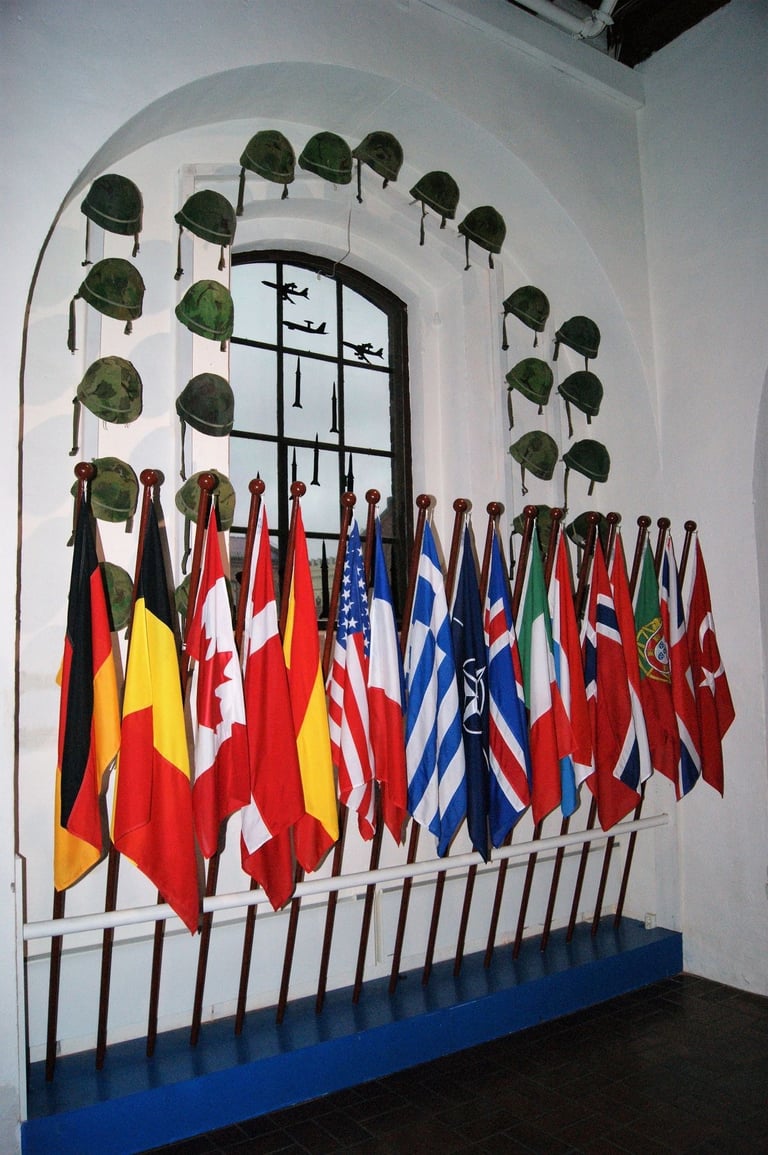
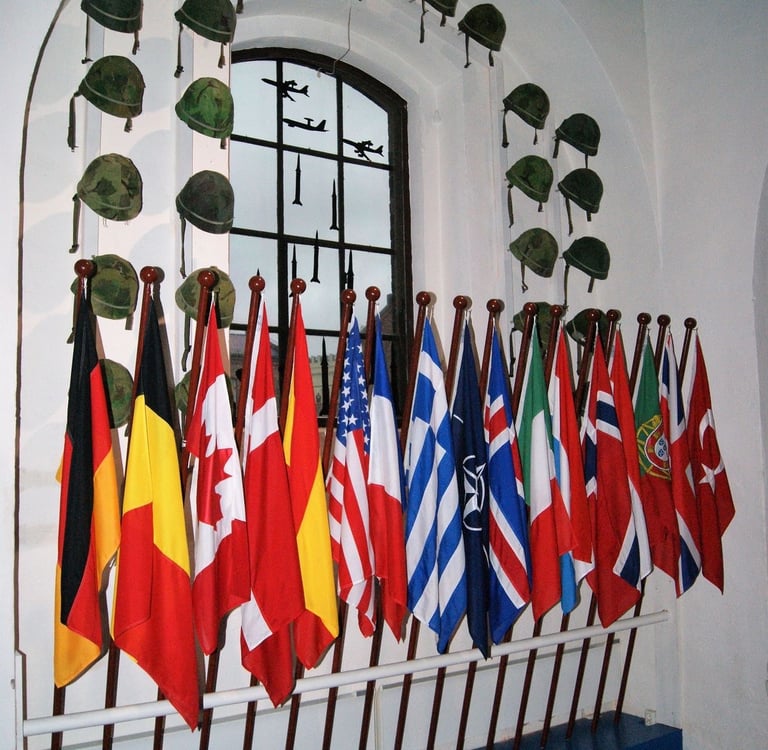
By midyear, the NATO Summit in The Hague reignited debates about security and collective responsibility, as shifting alliances reminded us how uncertain stability can be. For many young people, it was the first time geopolitics felt personal. No longer an abstract backdrop but part of our daily sense of safety. Global energy shocks, caused by the ongoing restructuring of supply chains, amplified concerns about economic security worldwide.
In September, the UN Climate Summit in New York became a turning point. Nearly one hundred nations announced new climate targets, while global youth movements filled streets from Seoul to São Paulo with banners reading “the decade of accountability”. Alongside it, the YouthLead Festival transformed the idea of youth participation into genuine policy impact, showing that activism can evolve into action. Meanwhile, major cities worldwide faced record-breaking heatwaves, floods and wildfires, reinforcing the immediacy of climate change for young people everywhere.
Leading up to the end of the year, the G20 Summit in Johannesburg marked a historic shift – the first held on African soil, symbolising a rebalancing of global power and a more plural vision of leadership. Simultaneously, debates around inclusive economic growth, sustainable development and once again artificial intelligence illustrated how interlinked economics, technology and health policy have become in shaping the lived experiences of youth worldwide.
Yet at the same time, quieter local movements flourished. Pop-up art spaces, youth-led initiatives and community collectives offered havens of real connection, grounding moments amidst the constant digital noise. Even in the midst of online hyperactivity, a desire for genuine interaction emerged. Cafés, studios and co-working spaces became more than places to be seen; they were spaces to connect, to listen and to share moments without performance. Everyday gestures like laughing across a table, collaborating in a creative workshop or meeting someone who understands without explanation became rare but treasured experiences.
Even the most absurd, low-stakes moments suddenly mattered. When the German TikTok trend of eating pudding with a fork in groups of hundreds went viral and crossed oceans to New York City, it was a subtle reminder of how much we crave offline community. Activities with no apparent productivity became anchors of belonging, evidence that we would do almost anything to feel real, meaningful connection again.
Music, fashion and social campaigns increasingly became forms of connection rather than spectacle. Identity shifted from curated profiles to how we participate, collaborate and create together. Perhaps the most significant change was internal – a shift from individualism to collective presence. Friendships evolved into micro-communities, creative collaborations became rituals and belonging became a practice rather than a point on a map. Being present, showing care and participating consciously became the building blocks of community.
By the end of the year, one truth became clear: knowledge alone is not enough. Awareness without proximity can feel empty, and screens cannot substitute real human connection. The quiet revolution of 2025 was about slowing down, choosing presence and reclaiming spaces and relationships that truly matter. While the world may feel smaller, it is our relationships – the moments we share, the communities we nurture – that anchor us.
2025 taught us that to belong, we must show up, listen and care. Despite the chaos and uncertainty of how our future will look, this might have been the year our generation began to find its way back to the people and spaces that make life meaningful.
For more, explore fashion, travel, and lifestyle insights here.
Subscribe to our newsletter!
info@femmine.co.uk