
Lace Through The Eyes of Gen Z
By Sophie Maskell
FASHION
Edited by Charlotte W
3/15/20262 min read
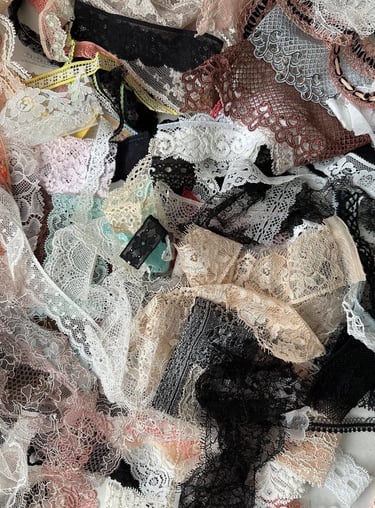
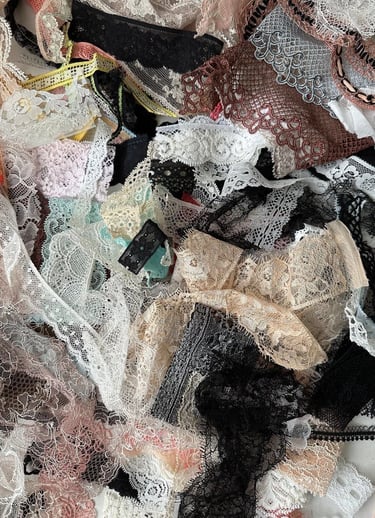
From grungy layering pieces to light, coquette-esque outfits, Gen Z’s obsession with lace is not fading anytime soon. Seen at every major runway and fashion week, lace has claimed its place among other timeless materials, cementing it as the metaphorical ‘It Girl’ of fashion.
Originally associated with Venice and Flanders, lace has always carried connotations of wealth and elegance. Lace was reserved for use in churches, with lacemaking viewed as an appropriate task for women living in convents. Wearing lace did not become widespread among the European aristocracy until the 16th century. Considering current socioeconomic pressures, it is no surprise that Gen Z is turning to different materials and textures to elevate their outfits. From lacy underwear peeking out from low-rise jeans to floaty cami tops, layering has never been more important to Gen Z.
A quick Pinterest search yields images of lace skirts paired with jeans, lace long sleeves worn under t-shirts, and boho-inspired lace dresses. As summer approaches in the Northern Hemisphere, many brands have begun to push out the next iteration of these styles. This begs the question: are Gen Z really the perpetrators of the rise of lace, or are they just being excellently marketed to by fashion brands?
Think of Urban Outfitters and their Kimchi Blue range. Many, if not all, of the items are heavily inspired by the boho style and aesthetic. Lace and adjacent materials have blended this style. This provides a new lease of life for what was previously a millennial-dominated aesthetic. Similarly, Free People, UO’s sister brand, has aligned itself with this particular style for years. Currently, Gen Z occupies the 14-29 age range. As many search for more mature brands, those like Free People are well-placed to step into the role.
Gen Z is arguably the victim of successful marketing strategies, constantly pushed to consume and own more clothing. However, many influencers in the Gen Z sphere strive for sustainability within the generation. From avoiding trends entirely to sourcing second-hand clothing, Gen Z are not the mindless consumers some companies believe they are.
From its European roots, lace developed from a class and wealth indicator to a style and aesthetic one. Due to its versatility, it can be integrated into almost any wardrobe at a relatively low cost. Some brands have created modest clothing with lace trims or layering, allowing the material to transcend religious and cultural barriers.
To answer the question: why is Gen Z so obsessed with lace? Simply put, it is everywhere and will remain so. It’s accessible, versatile and overtly feminine in a time when women’s rights are in question globally. It can be seen as a quiet form of protest against the patriarchy or an expression of femininity, and for the male-presenting LGBTQIA+ community: a direct rebellion against traditional masculinity.
For more, explore fashion, travel, and lifestyle insights here.
Subscribe to our newsletter!
info@femmine.co.uk