
How Heated Rivalry Has Paved The Way For Change In TV
By Grace Trippitt
ENTERTAINMENT
Edited by Francesca Sylph
3/31/20262 min read
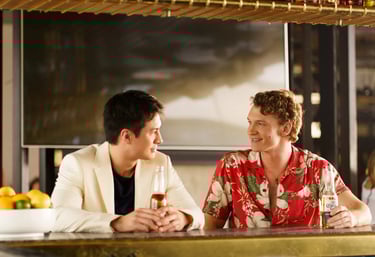
TV has transformed drastically over the last decade, particularly in its approach to representation. Heated Rivalry, the book-to-screen adaptation released at the end of last year, follows two queer rival hockey players who fall in love. The conversation surrounding it has been relentless, and for good reason. From its portrayal of two queer couples, subtle criticism of the NHL and breakdown of toxic masculinity, to the perfectly captured intimate scenes and representation of women, this series has uncovered deep-rooted cultural issues, paving the way for change on our screens.
Initially, the show sparked conversation for its deeply intimate scenes, with some critics calling it ‘pure smut’. Yet the same element has inspired admiration from many viewers who praise the show for portraying intimacy between a queer couple in a way that TV so rarely allows. From the careful filming of these moments to the vulnerability in the performances, everyone involved in the production contributes to a story that feels raw, honest and deeply explored.
Episode 5 of Heated Rivalry, “I’ll Believe in Anything”, currently stands as the second highest-rated television episode of all time on Rotten Tomatoes. Much of this acclaim comes from its final moments. After Scott Hunter wins the Stanley Cup with the New York Admirals, he shares a public kiss with his partner, Kip Grady. Their coming out becomes a powerful moment not only for them, but for everyone watching, including Shane and Ilya.
The episode closes with Ilya telling Shane that he is “coming to the cottage” to spend the summer with him. This line carries a subtle but pointed criticism at the NHL’s failure to create an accepting environment, as Ilya only feels able to take this step after witnessing Scott’s public coming out. The moment is both heartwarming and quietly devastating. François Arnaud, who plays Scott Hunter, has echoed this sentiment in an interview with Deadline in January 2026, claiming that while the NHL has been quick to capitalise on the show’s success, it must “back it up” with genuine openness to diversity.
Another discussion point online has been the question of why straight women, in particular, have embraced the show so passionately. One of the most emphasised points has been that the relationship displayed in Heated Rivalry is between equals. Relationships between two men do not tend to feature the inequality often seen in heterosexual relationships. Both men are equal in their communication and displays of love, affection and emotions. Additionally, the show’s main female characters, Svetlana Vetrova and Rose Landry, are not represented as jealous love interests or villains in the narrative, but rather, their own independent characters. Both Svetlana and Rose offer crucial support to Ilya and Shane. Without both women, the storyline would be incomplete. Women perhaps love this show because, for once, they can see themselves represented outside of unequal relationship dynamics.
Heated Rivalry has paved the way for change in TV. It has highlighted deep-rooted cultural barriers that are still experienced today. Fictional or not, there is no doubt it has altered the way we watch, discuss, and what we expect from television. Creator Jacob Tierney, and author Rachel Reid, along with Connor Storrie, Hudson Williams, Francois Arnaud, and the whole cast, have created art that this industry has needed for years, and the fame they are all experiencing is undoubtedly deserved.
©Sabrina Lantos/ HBO Max
For more, explore fashion, travel, and lifestyle insights here.
Subscribe to our newsletter!
info@femmine.co.uk