
From Achievement to Algorithm: How Fame Became a Profession
By Viràg Balasits
LIFESTYLE
Edited by Nawal Aziz
5/17/20262 min read
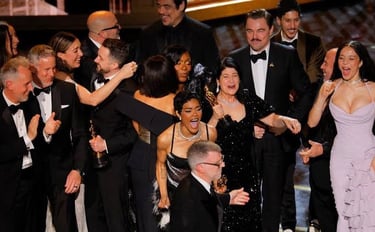
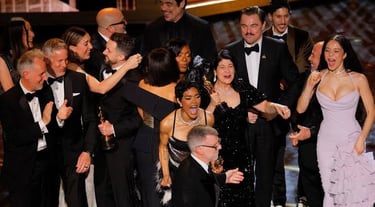
©Mike Blake/ Reuters
Nowadays, we often can’t pinpoint where we know a famous person from. They might be an actor, singer, writer, athlete — or just famous. But was it always like this?
Once, fame was a byproduct. You wrote a novel, won a championship, built a company, and recognition followed. Being known meant achieving something significant. Since the 20th century, this has flipped. People are increasingly known not for accomplishment, but for being seen. Fame itself became the work, and by default the origin of influencer culture.
The shift began in the 19th century with mass printing, illustrated newspapers, and photographs. Public figures could circulate images beyond their roles – actress, writer, politician – yet they remained tied to them. And then came Hollywood and with it the introduction of household names.
Hollywood introduced a subtle change: it manufactured stars. Studios curated personas, fed gossip columns, and staged publicity. Audiences followed private lives as avidly as performances. Fame detached from achievement and attached to personality.
Television accelerated this. Talk shows and variety programmes rewarded charisma over talent. Being on a show became both proof and producer of fame. Andy Warhol’s famous “15 minutes of fame” highlighted visibility as a currency. It became obvious that the audience loves being included in famous people’s lives and the media industry realized they have a solution: reality TV.
Reality TV in the 1990s and 2000s proved anyone could be known. Social media platforms like Instagram, YouTube, and TikTok removed studios entirely: a camera and a connection sufficed. Visibility was democratised and monetised.
The family at the centre of Keeping Up with the Kardashians demonstrated how powerful this model could be. This show perfectly represents the kind of people reality tv likes to make famous: high-energy, authentic, “bigger-than-life” personalities who love to share details of their private lives without censoring. These people usually have strong opinions and they are immune to shame. Another important quality of a reality star is that they have to be relatable, which brings us to the type of celebrity - the influencer.
Influencers are the logical endpoint. Unlike traditional celebrities, they often aren’t known for one achievement. Their product is themselves: their taste, lifestyle, humour, perspective. Skill supports the self. For example, creators like Emma Chamberlain turned casual vlogging into a career, transforming everyday routines and candid self-presentation into cultural capital. Similarly, Khaby Lame became one of the most followed people on TikTok through silent reaction videos - not because of expertise but because of a simple, relatable presence.
With influencer culture fame as a profession blurred private and public life. Constant posting, careful presentation, and algorithm knowledge make this relentless labour, with visibility first. Authenticity matters, so audiences expect access to homes, relationships, and routines. Being known now often means being oneself, rather than a role. The line between life and content dissolves, which introduces a new age of stardom.
We have entered the production era of fame. Achievement still matters, scientists, artists, athletes gain recognition through work, but alongside them stands a new archetype: the professional visible person. Fame is no longer a spotlight that finds you — it is a stage you build yourself.
For more, explore fashion, travel, and lifestyle insights here.
Subscribe to our newsletter!
info@femmine.co.uk